Getting started
Where I would start with choosing a residential designer
Choose the relationship as carefully as the drawings.
My starting point for choosing a residential designer is understanding how they listen, explain decisions and work with the people around you.
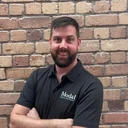
It is easy to begin a search for a designer by collecting beautiful houses. That is useful, but it only tells you part of the story. You will also be working with a person and a team through a series of decisions. I would give that relationship just as much attention as the finished photographs.
Key points
- Look beyond the finished photographs.
- Discuss communication before committing.
- Compare scope and responsibilities alongside price.
Look for a way of thinking you understand
When you talk about a home you like, ask what shaped it. Was the starting point a tricky site, a particular family routine or a very focused budget? The explanation can tell you more than the image on its own.
I would also pay attention to how the designer responds to your questions. You should be able to ask for a clearer explanation without feeling that you are slowing the conversation down.
- Ask how they turn a client’s priorities into a brief.
- Ask how different design options are compared.
- Ask who you will speak to during each stage.
Alongside the imagery, read what clients and consultants say about working with the team.
Read client and consultant feedbackTalk about the ordinary parts of the project
A design relationship needs to work on an unremarkable Tuesday as well as at the exciting presentation. Discuss how feedback is gathered, how decisions are recorded and what happens when you change your mind.
If you prefer fewer meetings and a concise list of decisions, say so. If you want to explore alternatives in detail, say that too. It helps both sides understand the working relationship you are looking for.
Compare the proposed work, not just the fee
Two proposals can describe different amounts of work. One may include stages or consultant coordination that the other does not. Before comparing totals, put the scope alongside the price.
- Which stages are included?
- What information must you supply?
- Which items are excluded or charged separately?
- What happens after consent or when building starts?
The practice’s process is a useful starting point for discussing what a proposal includes.
Explore the design process at Modal ArchitectureMy view
I would choose someone whose thinking I respect and whose explanations I can follow. At Modal Architecture, the initial conversation is a chance to explore that fit as well as the project itself. You do not need to arrive with every answer.
Bring the question to your own project.
If this has helped you identify something you would like to explore, let’s talk about it.
Start a consultation